Cancer Prevention
★★★★★ Rated 0.1 out of 5
- 3-5 working days
- Hand-Made
- Manufactured in South Africa
- 100% Natural
- 100% Herbal products
- 100% Manufacturing Guarantee
Description
Directions for Use
Ingredients
Warning
Technical Information
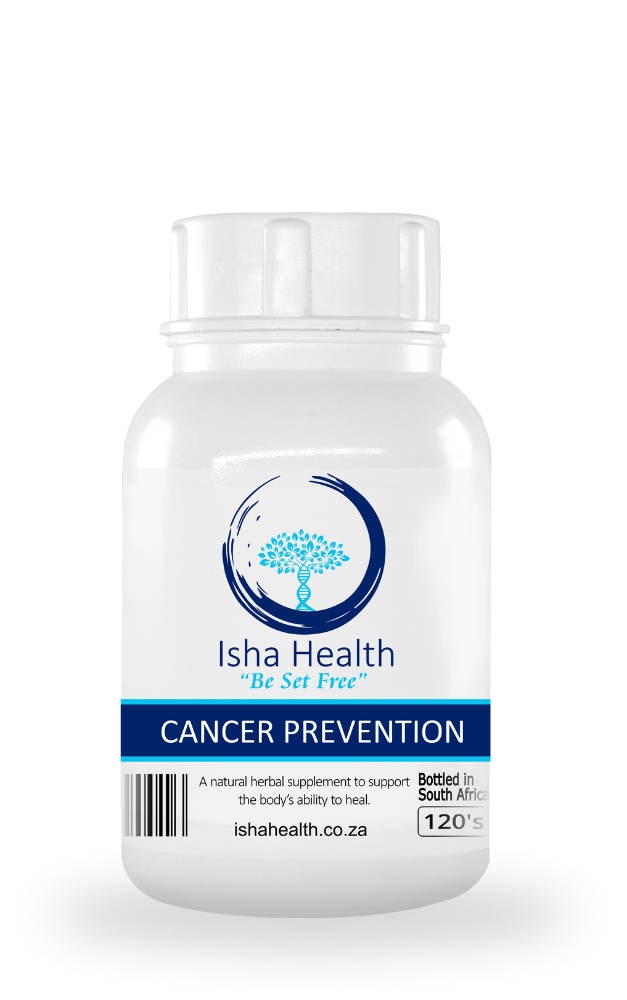
A natural herbal and nutritional supplement designed to support immune resilience, inflammatory balance, and cellular energy systems. This comprehensive blend assists the body in maintaining internal stability and adaptive strength during cancer and associated physiological stress, supporting overall wellbeing and systemic resilience.
This supplement is not intended to replace conventional cancer treatment. Individuals undergoing chemotherapy, radiation, immunotherapy, or hormone therapy must consult their oncologist before use.
2-3 x capsules 2x daily
20 minutes before meals.
Intensive support:
3x Capsules 3x daily
Important Guidance
- Do not exceed recommended dose unless advised by a healthcare professional.
- If undergoing oncology treatment, consult your healthcare provider before use.
- Consistent daily use is recommended for cumulative support.
Dosage – Capsules
| Age Group / Category | Recommended Dose | Timing | Notes |
| Adults – General Support | 2 capsules twice daily | 20 minutes before meals | For ongoing immune and cellular support |
| Adults – Intensive Support (Practitioner Guided) | 2–3 capsules twice daily | 20 minutes before meals | Use under healthcare supervision |
| Children 6–12 years | 1 capsule once daily | Before a meal | Do not exceed recommended dose |
| Children 12–16 years | 1 capsule twice daily | 20 minutes before meals | According to age and body weight |
African Potato
Alpha Lipoic Acid
Berberine
Broccoli
Cancer Bush
N-Acetyl L-Cysteine
Resveratrol
Selenium
Zinc
Other African Herbs
Ingredients Traditionally used for this supplement:
African Potato: Renowned for its cancer-combating properties, this ingredient features active compounds like phytosterols and rooperol. Noteworthy beta-sitosterol content positions it as a potent support against prostate cancer and a contributor to prolonged survival in lung cancer.
Artichoke: Emerges as a formidable cancer ally, offering polyphenolic acids such as cynaropicrin and silymarin. These compounds usher in an antioxidant shield, presenting it as a supportive guardian against breast cancer by inducing apoptosis.
Boswelia: Lends its anti-inflammatory capabilities by inhibiting leukotriene formation. Active boswellic acids, including AKBA, amplify its efficacy against advanced breast cancer, leukemia, brain tumours, and pancreatic cancer cells. It stands as a support in suppressing aggressive breast cancer.
Cancer Bush: Showcases comprehensive cancer support with active ingredients like canavanine contributing to tumour necrosis factor inhibition. L-canavanine introduces anti-inflammatory, anti-viral, and anti-bacterial properties, portraying it as a botanical aid in the fight against cancer.
Echinacea: Echinacea’s immune-boosting properties, attributed to its polysaccharides, alkamides, and flavonoids, make it beneficial for brain tumours. It elevates white blood cell levels, enhancing the body’s defense against developing neoplasms.
Garcinia Cambogia: Deploys hydroxycitric acid (HCA) as a potent tool against pancreatic cancer cells, demonstrating an impressive 89% effectiveness. This natural extract serves as a support in the realm of cancer therapeutics, specifically targeting pancreatic cancer.
Graviola: Its cancer-fighting prowess is attributed to active compounds like acetogenins, acting as a supportive agent in addressing breast, pancreatic, and resistant cancers, showcasing its versatility in cancer care.
Horsetail: Silica, flavonoids, and alkaloids in horsetail contribute to its ability to arrest the growth of tumours and facilitate their dissolution. Its potential in modulating cancer growth highlights its unique properties.
L-Glycine (Amino Acid): As an essential amino acid, Glycine inhibits the growth of liver tumours and melanoma tumours. Its inclusion highlights the intricate interplay of amino acids in cancer physiology.
Milkthistle: Unveils its anti-tumour effects primarily in the early stages of tumour promotion. Silymarin and Silibinin compounds, with their antioxidant strength, play crucial roles in cancer chemoprevention. Inhibiting Cox2 and vascular endothelial growth, it stands as a support, safeguarding the liver during chemotherapy while actively engaging in anti-cancer activities.
Pomegranate: Its anti-cancer prowess is driven by active ingredients such as punicalagins and anthocyanins. Its actions, from inducing apoptosis to suppressing vessel growth associated with tumours, emerge as a supportive force in cancer growth suppression and progression prevention.
Pygeum: Phytosterols, triterpenes, and ferulic acid in pygeum contribute to its use in addressing prostate enlargement. The multi-faceted approach of its constituents makes it a potential candidate in prostate health.
Resveratrol: Operates as a dynamic autophagy modulator. Activating SIRT1 and inducing protective autophagy in non-small-cell lung cancer, its molecular actions involve inhibiting Akt/mTOR and activating p38-MAPK. Its multifaceted approach includes inhibiting Cox-2, making it a potent player in supporting cancer therapy.
Not suitable for pregnant or breastfeeding women.
Consult a healthcare professional if undergoing medical treatment, taking prescription medication, or managing a medical condition.
Discontinue use if adverse reactions occur.
Protect from sunlight.
Store below 25°c.
For educational purposes only!
What is Cancer?
Cancer is a group of diseases characterized by the uncontrolled growth and spread of abnormal cells. These abnormal cells, often referred to as cancer cells, can invade and destroy normal tissues and may form masses of tissue called tumours. Cancer can occur in virtually any tissue or organ in the body and may be benign (non-cancerous) or malignant (cancerous).
The development of cancer is typically a multi-step process involving genetic mutations that accumulate over time. Normal cells have mechanisms to control their growth, division, and death. When these control mechanisms malfunction due to genetic changes, cells can begin to grow uncontrollably, leading to the formation of tumours.
Cancerous cells can invade nearby tissues and, in some cases, break away from the original tumour, travel through the bloodstream or lymphatic system, and form new tumours in other parts of the body. This process is known as metastasis.
There are various types of cancer, and each is characterized by specific features based on its location, behavior, and the types of cells involved. Common treatment approaches for cancer include surgery, chemotherapy, radiation therapy, immunotherapy, and targeted therapy. Early detection and advances in cancer research and treatment have significantly improved outcomes for many cancer
Types of Cancer:
There are many different types of cancer, as cancer can affect virtually any tissue or organ in the body. Here is a list of some common types of cancer
Breast Cancer: Affects the cells in the breast tissue.
Lung Cancer: Occurs in the lungs and is often linked to smoking.
Colorectal Cancer: Affects the colon or rectum.
Prostate Cancer: Develops in the prostate gland in men.
Ovarian Cancer: Occurs in the ovaries, part of the female reproductive system.
Pancreatic Cancer: Affects the pancreas, an organ involved in digestion and blood sugar regulation.
Leukemia: A type of blood cancer that affects the bone marrow and blood.
Lymphoma: A cancer of the lymphatic system, which includes the lymph nodes and lymphatic vessels.
Skin Cancer: Develops in the skin cells and includes melanoma, basal cell carcinoma, and squamous cell carcinoma.
Bladder Cancer: Occurs in the bladder, the organ that stores urine.
Kidney Cancer: Affects the kidneys, the organs responsible for filtering blood and producing urine.
Liver Cancer: Develops in the liver cells.
Thyroid Cancer: Affects the thyroid gland in the neck.
Cervical Cancer: Occurs in the cervix, the lower part of the uterus.
Esophageal Cancer: Affects the esophagus, the tube that carries food from the throat to the stomach.
Gastric Cancer: Develops in the stomach lining.
Brain Cancer: A broad category that includes various types of tumors affecting the brain.
Bone Cancer: A rare type of cancer that starts in the bone.
Soft Tissue Sarcoma: A group of cancers that develop in soft tissues such as muscles, tendons, and fat.
Head and Neck Cancer: Affects the mouth, throat, nose, sinuses, and salivary glands.
It’s important to note that there are many subtypes and variations within each of these categories, and cancer can also occur in other less common locations. Additionally, ongoing research may lead to the identification of new types of cancer or further classification of existing ones.
Types of Skin Cancer
There are three main types of skin cancer, each named after the type of skin cell from which they originate. These are:
Basal Cell Carcinoma (BCC): Basal cell carcinoma is the most common type of skin cancer. It typically develops in areas of the skin that are exposed to the sun, such as the face and neck. BCC usually grows slowly and is rarely life-threatening, but it can cause disfigurement if not treated.
Squamous Cell Carcinoma (SCC): Squamous cell carcinoma is the second most common type of skin cancer. It often appears on areas of the skin exposed to the sun, such as the face, ears, neck, and hands. SCC can grow and spread more aggressively than basal cell carcinoma, but it is still usually treatable if detected early.
Melanoma: Melanoma is a less common but more aggressive type of skin cancer. It originates in the pigment-producing cells (melanocytes) of the skin and can develop from existing moles or appear as a new, unusual growth. Melanoma has a higher risk of spreading to other parts of the body, making early detection crucial for successful treatment.
It’s important to perform regular skin checks and seek medical attention if you notice any changes in the colour, size, shape, or texture of moles or skin lesions. Early detection and treatment significantly improve the outcomes for individuals with skin cancer. Additionally, other, less common types of skin cancer and precancerous conditions exist, so it’s essential to consult with a healthcare professional for proper evaluation and guidance.
The development and progression of Cancer:
The development and progression of cancer involve a complex interplay of genetic, molecular, and cellular events. Here’s a detailed explanation of the key factors and processes involved in the development and progression of cancer, including the roles of hormones, enzymes, and other chemicals, as well as the involvement of various organs and cellular components.
Initiation
- Genetic Mutations: Cancer typically begins with genetic mutations in the DNA of a normal cell. These mutations can be caused by various factors such as exposure to carcinogens (e.g., tobacco smoke, UV radiation), genetic predisposition, or errors during DNA replication.
- Proto-oncogenes and Tumour Suppressors: Proto-oncogenes, which regulate normal cell growth, can transform into oncogenes when mutated, promoting uncontrolled cell growth. Conversely, mutations in tumour suppressor genes can result in a loss of their regulatory functions, allowing abnormal cell proliferation.
- Hormonal Influence: Some cancers are influenced by hormones. For example, estrogen can play a role in the development of breast cancer and prostate cancer.
Promotion:
- Promoting Factors: After initiation, promoting factors encourage the growth and survival of mutated cells. These factors may include chronic inflammation, exposure to certain chemicals, hormones, and other environmental factors.
- Enzymes and Signaling Pathways: Enzymes like matrix metalloproteinases (MMPs) facilitate tissue remodeling, allowing cancer cells to invade surrounding tissues. Signaling pathways, such as the Ras pathway, are often dysregulated, leading to increased cell proliferation.
- Angiogenesis: Tumour cells release angiogenic factors, promoting the formation of new blood vessels (angiogenesis) to supply nutrients and oxygen, facilitating tumour growth.
Progression:
- Genetic Instability: The mutated cell undergoes further genetic alterations, leading to genetic instability and heterogeneity within the tumour. This diversity allows some cells to acquire aggressive traits.
- Telomere Shortening: Telomeres, which protect the ends of chromosomes, shorten with each cell division. Cancer cells often overcome this limitation through mechanisms like telomerase activation, allowing for unlimited cell division.
- Epigenetic Changes: Epigenetic modifications, such as DNA methylation and histone modifications, can silence tumor suppressor genes or activate oncogenes, contributing to cancer progression.
- Immune Evasion: Cancer cells may evade the immune system through various mechanisms, including downregulating antigens and inhibiting immune responses.
Role of Mitochondria in Cancer:
- Energy Metabolism Shift (Warburg Effect): Cancer cells often exhibit a shift in energy metabolism, favouring glycolysis over oxidative phosphorylation in mitochondria, even in the presence of oxygen (Warburg effect).
- Mitochondrial DNA Mutations: Mutations in mitochondrial DNA (mtDNA) can impact mitochondrial function, contributing to altered energy metabolism in cancer cells.
- Apoptosis Resistance: Mitochondria play a crucial role in apoptosis, and cancer cells often develop mechanisms to resist programmed cell death, promoting survival and proliferation.
Role of Endoplasmic Reticulum (ER) in Cancer:
- ER Stress and UPR: Disruptions in cellular homeostasis, such as an accumulation of misfolded proteins, can lead to ER stress. The unfolded protein response (UPR) may be activated in cancer cells to cope with ER stress, contributing to cancer development.
- Lipid Metabolism and Membrane Biogenesis: The endoplasmic reticulum is involved in lipid metabolism and membrane synthesis, processes crucial for supporting the rapid proliferation of cancer cells.
- Calcium Signaling: Dysregulation of calcium signaling in the ER can impact various cellular processes, including cell cycle progression and apoptosis, influencing cancer cell behavior.
- Interaction with Mitochondria: Crosstalk between the endoplasmic reticulum and mitochondria at the ER-mitochondria interface is involved in regulating calcium levels, lipid transfer, and cell death pathways.
Conclusion:
Understanding the intricacies of cancer development involves exploring a multitude of factors, including genetic mutations, signaling pathways, the tumour microenvironment, and interactions between cellular organelles. Ongoing research aims to unravel these complexities to develop targeted therapies that disrupt specific pathways involved in cancer progression. The comprehensive understanding of these processes is crucial for advancing cancer diagnosis, treatment, and prevention strategies.
The process of Cancer in simpler terms:
Initiation: The start of the problem in cancer happens when the DNA inside a cell gets messed up. This can happen due to things like smoking, sun exposure, or just bad luck during cell division. Certain genes in our body can either promote normal cell growth (proto-oncogenes) or suppress it (tumour suppressor genes). Mutations in these genes can lead to uncontrolled cell growth, which is a key step in cancer development. In some cancers, hormones like estrogen can play a role in making cells grow uncontrollably.
Promotion: After the DNA is messed up, there are factors that encourage the messed-up cells to grow and survive. This could be due to things like chronic inflammation or exposure to certain chemicals. Enzymes help cells remodel their surroundings, and certain pathways inside cells can go haywire, making cells grow too much. Cancer cells can also make new blood vessels grow around them to get more nutrients, helping the tumour grow.
Progression: The messed-up cells keep changing their DNA, becoming even more unstable. This can make some cells in the tumour more aggressive. Normal cells have limits to how much they can divide, but cancer cells find ways around these limits, allowing them to keep dividing. Cancer cells can trick the immune system into not attacking them, giving them a chance to grow.
Role of Mitochondria in Cancer: In cancer, cells change the way they get energy. Instead of using a more efficient method, they choose a less efficient one, even when oxygen is available. The DNA inside the energy-producing part of the cell (mitochondria) can also get messed up, affecting how the cell uses energy. Cancer cells find ways to avoid dying when they should, which is usually a process controlled by mitochondria.
Role of Endoplasmic Reticulum (ER) in Cancer: When things get stressful inside the cell, like a pile-up of misfolded proteins, it can contribute to cancer. The endoplasmic reticulum helps cells make things like fats and membranes. Cancer cells can use this to grow faster. Calcium signals in the cell can get mixed up, affecting how the cell behaves, including its growth and death. The endoplasmic reticulum and mitochondria work together, and when this teamwork goes wrong, it can affect how cancer cells behave.
Conclusion: Understanding cancer is like solving a puzzle with many pieces. Scientists are studying all these pieces to figure out how they fit together. By understanding how cancer cells grow and survive, we can develop better ways to stop them. It’s like finding the right tools to fix a broken machine, but in this case, the machine is our own body.
Which diseases in the body can change into cancer and why?
Certain diseases or conditions can increase the risk of developing cancer. It’s important to note that not all individuals with these conditions will develop cancer, but having these conditions may elevate the risk. Some examples include:
Chronic Inflammation: Conditions like chronic inflammatory bowel diseases (e.g., Crohn’s disease, ulcerative colitis) and chronic viral infections (e.g., hepatitis B or C, human papillomavirus) can lead to long-term inflammation. Prolonged inflammation may increase the risk of genetic mutations that can contribute to cancer development.
Chronic Gastritis and Ulcers: Long-term inflammation of the stomach lining (chronic gastritis) or persistent stomach ulcers can elevate the risk of stomach cancer. Infection with Helicobacter pylori, a bacterium associated with these conditions, is a significant risk factor.
Chronic Liver Disease: Conditions such as cirrhosis, often caused by chronic alcohol consumption or viral hepatitis infections (hepatitis B or C), increase the risk of liver cancer.
Chronic Lung Diseases: Individuals with chronic lung diseases, such as chronic obstructive pulmonary disease (COPD) and pulmonary fibrosis, may have an increased risk of lung cancer, particularly if they are smokers.
Chronic Kidney Disease: Chronic kidney disease, especially in individuals undergoing long-term dialysis, is associated with an elevated risk of kidney cancer.
Barrett’s Esophagus: Chronic gastroesophageal reflux disease (GERD) can lead to a condition called Barrett’s esophagus, where the normal lining of the esophagus is replaced by tissue similar to that found in the intestines. Barrett’s esophagus increases the risk of esophageal cancer.
Certain Genetic Conditions: Inherited genetic mutations can predispose individuals to certain types of cancer. For example, individuals with mutations in the BRCA1 or BRCA2 genes have a higher risk of breast and ovarian cancers.
Immunodeficiency Disorders: Conditions that weaken the immune system, such as HIV/AIDS or organ transplantation with immunosuppressive therapy, increase the risk of developing certain cancers, including lymphomas and Kaposi’s sarcoma.
Hormonal Imbalances: Hormonal imbalances, such as prolonged exposure to estrogen without progesterone in postmenopausal women, can increase the risk of developing breast cancer.
It’s essential to understand that while these conditions may elevate the risk of cancer, they don’t guarantee that cancer will develop. Additionally, many cancers occur sporadically without a clear underlying medical condition. Regular medical check-ups, screenings, and lifestyle modifications can play crucial roles in cancer prevention and early detection. If you have concerns about your health or risk factors, it’s advisable to consult with a healthcare professional for personalized guidance and preventive measures.
Projected Support Timeline Table
| Time Frame | Primary Physiological Activity | Key Ingredients Driving Effect | What Is Happening in the Body due to Cancer | Expected Experience when using supplement |
| 0–7 Days | Antioxidant & Inflammatory Modulation | NAC, Turmeric, Green Tea, Resveratrol, Selenium | Rapid reduction of oxidative stress load, modulation of NF-κB and COX-2 signalling, support of glutathione recycling | Subtle improvement in energy, mild reduction in inflammatory discomfort, possible digestive adjustment |
| 1–3 Weeks | Immune System Coordination | Reishi, Turkey Tail, Maitake, Astragalus, Cat’s Claw | Enhanced NK-cell activity, macrophage modulation, cytokine balancing within tumour microenvironment | Increased resilience, fewer inflammatory flare patterns, improved systemic stability |
| 3–6 Weeks | Mitochondrial & Cellular Energy Support | CoQ10, Alpha Lipoic Acid, NAC, Resveratrol | Improved mitochondrial respiration, ATP production support, reduction of cellular oxidative burden | Improved stamina, better recovery capacity, improved overall vitality |
| 6–8 Weeks | Hepatic & Detoxification Support | Milk Thistle, Schisandra, Dandelion, Artichoke | Enhanced phase I and II detoxification enzyme balance, bile flow optimisation, metabolic waste clearance | Improved digestion, lighter systemic feeling, improved tolerance during treatment |
| 8–12 Weeks | Microenvironment Regulation | Green Tea, Turmeric, Boswellia, Grape Seed Extract | Regulation of inflammatory mediators, angiogenic signalling balance, support of vascular integrity | Stabilised energy, reduced inflammatory symptom patterns |
| 3–6 Months | Long-Term Systemic Resilience | Full formulation synergy | Immune balance stabilisation, redox homeostasis, improved cellular signalling coordination | Gradual improvement in overall well-being, enhanced resilience during stress or oncology treatment |
Important Context
- This formulation works by supporting the terrain, not directly “attacking tumours.”
- Effects are cumulative and dependent on individual physiology.
- In oncology patients, outcomes vary depending on treatment stage, tumour type, metabolic burden, and immune competence.
- For individuals not receiving treatment, support may manifest as improved systemic stability rather than structural tumour change.
Support Comparison: With Oncology Treatment vs Without Oncology Treatment
| Time Frame | With Oncology (Chemo / Radiation / Immunotherapy) | Without Oncology Treatment |
| First 1–2 Weeks | Primary role is oxidative buffering and mitochondrial protection. NAC, Selenium, CoQ10 and Alpha Lipoic Acid may assist healthy cells in managing treatment-induced oxidative stress. | Antioxidant load begins reducing systemic oxidative stress. Inflammatory mediators (NF-κB, COX-2 pathways) may begin modulating gradually. |
| Weeks 2–4 | Immune-modulating mushrooms (Reishi, Turkey Tail, Maitake) and Astragalus may help stabilise immune suppression caused by treatment. Focus is resilience, not tumour reduction. | Immune coordination improves. Natural killer cell activity and macrophage balance may become more efficient within the tumour microenvironment. |
| Weeks 4–8 | Liver-supporting herbs (Milk Thistle, Schisandra, Dandelion, Artichoke) assist detoxification of treatment metabolites. Energy recovery support becomes more noticeable. | Terrain support continues through inflammatory regulation and vascular balance. Cellular signalling pathways (AMPK, SIRT1, NF-κB modulation) may stabilise. |
| 2–3 Months | Goal is improved tolerance to treatment, reduced fatigue, and maintenance of systemic stability. The product functions as supportive care. | Cumulative microenvironment regulation may occur. Inflammation, oxidative burden, and metabolic stress may be better controlled. Structural tumour changes are unpredictable. |
| 3–6 Months | Long-term use focuses on tissue recovery, mitochondrial restoration, and immune equilibrium after intensive treatment. | Long-term terrain support. May assist in maintaining immune vigilance and redox balance, but does not replace medical evaluation or treatment. |
Key Differences in Mechanism
With Oncology:
- Protective and restorative role
- Focus on supporting healthy cells
- Assists energy, detoxification, immune resilience
- May improve tolerance to treatment stress
Without Oncology:
- Focus on terrain modulation
- Supports inflammatory balance
- Supports immune surveillance
- May help stabilise systemic environment
Important Clinical Reality
- No herbal formulation can guarantee tumour shrinkage in either scenario.
- Effects are terrain-supportive, not cytotoxic in a pharmaceutical sense.
- Tumour biology varies significantly by type (breast, colon, prostate), receptor status, and stage.
Safety & Warnings Table
| Category | Potential Concern | Ingredients Involved | Risk Explanation | Guidance |
| Pregnancy & Breastfeeding | Not recommended | Berberine, Turmeric (high dose), Resveratrol, Boswellia, Selenium | Some ingredients may influence hormonal pathways, uterine tone, or cellular signalling; safety data during pregnancy is insufficient | Avoid use during pregnancy and breastfeeding |
| Children Under 6 Years | Not suitable | Full formulation | Concentrated immune and metabolic modulators not studied in young children | Do not use under 6 years |
| Oncology Treatment | Requires supervision | Antioxidants (NAC, Selenium, Resveratrol), Mushrooms, Turmeric | High-dose antioxidants may theoretically interfere with certain chemotherapy mechanisms depending on protocol | Consult treating oncologist before use |
| Blood Thinning Medication | Increased bleeding tendency | Turmeric, Ginger, Garlic, Grape Seed Extract | May mildly influence platelet aggregation and blood viscosity | Use with caution; monitor if on anticoagulants |
| Diabetes / Glucose Medication | Blood sugar modulation | Berberine, Alpha Lipoic Acid, Cancer Bush | May improve insulin sensitivity and lower blood glucose | Monitor blood sugar closely if on medication |
| Autoimmune Conditions | Immune modulation | Astragalus, Reishi, Turkey Tail, Cat’s Claw | Immune-stimulating herbs may influence autoimmune activity | Use under medical supervision |
| Liver Conditions | Detoxification stimulation | Milk Thistle, Schisandra, Dandelion, Artichoke | Generally supportive, but active liver disease requires medical oversight | Consult healthcare practitioner |
| Hormone-Sensitive Conditions | Hormonal modulation | Resveratrol, Turmeric | Mild phyto-modulatory effects on estrogen pathways | Use with supervision in hormone-sensitive conditions |
| Surgery | Bleeding risk | Turmeric, Garlic, Ginger | May affect platelet aggregation | Discontinue 7–10 days before surgery |
| Gastrointestinal Sensitivity | Mild digestive upset | Berberine, Turmeric, NAC | May cause temporary nausea or digestive changes in sensitive individuals | Take before meals; reduce dose if needed |
Interactions Table
| Drug / Class | Active Compound Involved | Mechanism of Interaction | Primary Site of Action | Clinical Risk / Outcome |
| Anticoagulants (Warfarin, DOACs, Aspirin, Clopidogrel) | Curcumin (Turmeric), Allicin (Garlic), Gingerols (Ginger), OPCs (Grape Seed) | Mild inhibition of platelet aggregation and influence on clotting cascade | Blood platelets, vascular endothelium | Increased bleeding tendency; monitor closely |
| Chemotherapy Agents | NAC, Selenium, Resveratrol, CoQ10 | Antioxidant activity may theoretically influence oxidative mechanisms of certain chemotherapy drugs | Cellular redox pathways | Requires oncologist supervision |
| Immunosuppressants (e.g., Cyclosporine, Corticosteroids) | Beta-glucans (Reishi, Maitake, Turkey Tail), Astragalosides | Immune modulation and macrophage activation | Immune system (NK cells, macrophages) | May alter immune suppression balance |
| Diabetes Medication (Metformin, Insulin, Sulfonylureas) | Berberine, Alpha Lipoic Acid | Improves insulin sensitivity and glucose uptake via AMPK activation | Liver, skeletal muscle, pancreas | Possible additive glucose-lowering effect |
| Blood Pressure Medication | CoQ10, Garlic, Resveratrol | Mild vasodilation and endothelial nitric oxide support | Vascular system | May enhance antihypertensive effect |
| Hormone Therapy (Estrogen Modulators) | Resveratrol, Turmeric | Mild phyto-modulatory influence on estrogen signalling pathways | Hormonal receptors | Use with supervision in hormone-sensitive conditions |
| Liver-Metabolised Drugs (CYP450 pathway) | Berberine, Resveratrol, Schisandra | Influence on hepatic enzyme activity (CYP modulation) | Liver detoxification enzymes | May alter drug metabolism rate |
| Autoimmune Treatment | Medicinal mushrooms, Astragalus, Cat’s Claw | Immune system modulation | Adaptive immune system | Use under medical supervision |
| Surgery / Pre-operative | Turmeric, Garlic, Ginger | Platelet aggregation influence | Coagulation cascade | Discontinue 7–10 days before surgery |
General
Consult a healthcare professional before use if taking prescription medication or undergoing medical treatment. Do not combine with immunosuppressive or anticoagulant therapy without supervision.
Key Clinical Reality
- Some oncologists allow supportive antioxidants.
- Some restrict them during active infusion days.
- Interaction risk depends heavily on specific drug protocol.
- Timing separation (e.g., not taking antioxidants on chemo day) is sometimes used in integrative oncology.
Regulatory Advisory Statement
This supplement is not intended to replace conventional cancer treatment. Individuals undergoing chemotherapy, radiation, immunotherapy, or hormone therapy must consult their oncologist before use.
Ingredients which are traditionally used in Cancer Supplements
Technical info for Educational Purposes only
African Potato – Hypoxis: Contains hypoxoside, which is converted in vivo to rooperol, along with phytosterols such as beta-sitosterol that influence T-helper cell modulation and macrophage activity. These compounds support immune surveillance and assist regulation of inflammatory cytokines involved in tumour-associated immune imbalance. By supporting coordinated immune signalling, it contributes to maintaining host defense integrity during cancer-related physiological stress.
Agrimony Herb: Rich in ellagitannins (agrimoniin), flavonoids such as quercetin derivatives, and phenolic acids that provide antioxidant and mucosal-stabilising effects. These compounds support intestinal epithelial integrity and reduce oxidative stress within the gut microenvironment. Maintaining gut barrier function and detoxification capacity is essential for immune competence during cancer or oncology treatment.
Alpha Lipoic Acid: A disulfide-containing mitochondrial cofactor that participates in pyruvate dehydrogenase and α-ketoglutarate dehydrogenase complexes. It regenerates intracellular glutathione and modulates NF-κB signalling, supporting redox balance in metabolically active tissues. By reducing oxidative stress in healthy cells, it assists resilience during chemotherapy or radiation-associated oxidative burden.
Artichoke Leaf: Contains cynarin, chlorogenic acid, and luteolin, which stimulate bile production and enhance hepatic phase II conjugation pathways. These polyphenolic compounds support detoxification of inflammatory mediators and xenobiotics. Optimised hepatic clearance contributes to systemic balance during cancer-related metabolic stress.
Astragalus Root: Provides astragalosides and immunomodulatory polysaccharides that enhance natural killer cell activity and macrophage responsiveness. These constituents support adaptive immune regulation and may assist restoration of immune function during treatment-induced suppression. Supports balanced cytokine signalling without overstimulation.
Berberine Hydrochloride 98%: An isoquinoline alkaloid that activates AMPK and modulates mTOR and NF-κB pathways. These actions support glucose metabolism, mitochondrial efficiency, and inflammatory regulation. By influencing metabolic signalling, it contributes to maintaining a cellular environment less favourable to uncontrolled proliferative stress.
Boswellia (Frankincense): Standardised for boswellic acids, particularly acetyl-11-keto-β-boswellic acid (AKBA), which inhibits 5-lipoxygenase and reduces leukotriene synthesis. This modulation of inflammatory mediators supports regulation of tumour-associated inflammation and tissue microenvironment stability.
Broccoli: Supplies glucoraphanin, which is converted to sulforaphane, a compound that activates Nrf2 signalling pathways. Sulforaphane enhances phase II detoxification enzymes and supports DNA-protective antioxidant systems. These mechanisms assist in maintaining normal cellular defence responses.
Burdock Root: Contains arctiin and arctigenin, lignans known for supporting antioxidant pathways and lymphatic function. These compounds assist detoxification and may help regulate inflammatory signalling within tissue microenvironments under chronic stress.
Calendula / Marigold: Rich in triterpenoids such as faradiol esters and flavonoids including quercetin derivatives. These compounds support epithelial repair, microcirculatory integrity, and antioxidant protection. Maintaining tissue health is particularly relevant where mucosal surfaces are compromised during oncology treatments.
Cancer Bush – Sutherlandia frutescens: Contains L-canavanine, pinitol, and flavonoids that influence cytokine modulation and immune cell signalling. L-canavanine is structurally similar to arginine and may interfere with abnormal protein synthesis in rapidly dividing cells, while pinitol supports glucose regulation. These constituents contribute to immune balance and systemic resilience during cancer-related physiological stress.
Cat’s Claw – Uncaria tomentosa: Rich in pentacyclic oxindole alkaloids that modulate NF-κB and support macrophage and lymphocyte function. These compounds assist immune coordination and inflammatory regulation within tumour-associated microenvironments. Supports DNA repair mechanisms and adaptive immune resilience during prolonged systemic stress.
Co-Enzyme Q10: A lipid-soluble quinone essential for mitochondrial electron transport chain function, particularly within complexes I–III. Supports ATP production and protects cellular membranes from lipid peroxidation. During cancer and oncology treatment, mitochondrial efficiency is often compromised, and maintaining cellular energy integrity supports overall resilience and recovery capacity.
Dandelion Root: Contains sesquiterpene lactones, taraxasterol, and phenolic acids that support bile flow and hepatic detoxification. Assists elimination of inflammatory mediators and metabolic by-products. Optimising liver function supports systemic balance during cancer-related metabolic burden.
Garlic: Provides organosulfur compounds including allicin and diallyl sulfides that influence phase II detoxification enzymes and modulate inflammatory mediators. Supports immune cell activation and antioxidant pathways. These mechanisms contribute to maintaining balanced inflammatory tone within the tumour microenvironment.
Ginger: Rich in gingerols and shogaols that modulate COX-2 and NF-κB signalling pathways. Supports inflammatory regulation and gastrointestinal comfort. May assist individuals experiencing nausea or digestive stress during oncology care while contributing to systemic inflammatory balance.
Grape Seed Extract: Concentrated source of oligomeric proanthocyanidins (OPCs) that provide potent antioxidant activity. These compounds support vascular integrity and reduce oxidative stress within endothelial tissues. Maintaining microcirculatory stability and redox balance is important during chronic inflammatory states associated with tumour development.
Green Tea: Contains catechins, particularly epigallocatechin gallate (EGCG), which modulate mTOR, AMPK, and inflammatory transcription factors. Supports antioxidant defence and may assist in regulating abnormal cellular signalling pathways. Contributes to maintaining metabolic and inflammatory balance within systemic stress conditions.
Lion’s Mane Mushrooms – Hericium erinaceus: Provides hericenones and erinacines that support nerve growth factor (NGF) synthesis and neuroimmune balance. Supports gut-brain axis integrity and mucosal immune function. Maintaining neurological and immune resilience is beneficial during prolonged systemic illness.
Maitake Mushrooms – Grifola frondosa: Rich in beta-glucans, particularly D-fraction polysaccharides, that enhance natural killer cell and macrophage activity. Supports immune surveillance and adaptive immune balance without overstimulation. Contributes to maintaining coordinated immune response during cancer-related immune challenges.
Milk Thistle – Silybum marianum: Standardised for silymarin complex including silibinin, which stabilises hepatocyte membranes and enhances glutathione synthesis. Supports phase II detoxification pathways and protects hepatic tissue from oxidative stress. During cancer and oncology treatment, maintaining liver integrity is critical for processing inflammatory mediators and treatment-related metabolites.
N-Acetyl L-Cysteine: Serves as a precursor to glutathione, the primary intracellular antioxidant. Supports detoxification pathways and regulates redox-sensitive transcription factors such as NF-κB. By enhancing antioxidant capacity in healthy cells, it assists resilience during oxidative stress associated with tumour biology and medical treatment.
Olive Leaf: Contains oleuropein and hydroxytyrosol, potent polyphenols that support antioxidant defence and modulate inflammatory pathways. These compounds assist immune regulation and contribute to maintaining balanced cellular signalling within stressed tissue environments.
Reishi Mushrooms: Rich in beta-glucans and triterpenes such as ganoderic acids that modulate immune cell activity and inflammatory signalling. Supports macrophage and natural killer cell coordination while assisting regulation of pro-inflammatory cytokines. Contributes to maintaining immune equilibrium during chronic systemic stress.
Schisandra berries: Contain lignans such as schisandrin and gomisin that enhance hepatic enzyme activity and support mitochondrial function. These compounds assist detoxification, antioxidant defence, and stress adaptation, which may be beneficial during cancer-related metabolic burden or oncology therapy.
Selenium: Essential cofactor for glutathione peroxidase and thioredoxin reductase enzymes. Supports protection against oxidative DNA damage and enhances immune competence. Adequate selenium status contributes to redox balance during prolonged inflammatory or proliferative stress.
Trans-Resveratrol: A polyphenolic stilbene that activates SIRT1 and modulates AMPK and NF-κB signalling pathways. Supports mitochondrial biogenesis and balanced inflammatory responses. Assists maintenance of healthy cellular signalling dynamics within metabolically stressed tissues.
Turkey Tail Mushrooms – Trametes versicolor: Contains polysaccharopeptides such as PSK and PSP that support dendritic cell and natural killer cell function. Assists immune surveillance and balanced cytokine activity. Widely studied for supportive immune roles during cancer care.
Turmeric – Curcuma longa: Standardised for curcuminoids including curcumin, which modulates NF-κB, COX-2, and other inflammatory mediators. Supports antioxidant defence and cellular signalling balance. Contributes to maintaining regulated inflammatory responses within tumour-associated microenvironments.
Zinc Picolinate: Provides bioavailable zinc required for over 300 enzymatic reactions, including DNA repair and antioxidant enzyme systems such as superoxide dismutase. Supports immune cell proliferation and epithelial integrity, assisting the body in maintaining cellular resilience during prolonged systemic stress.