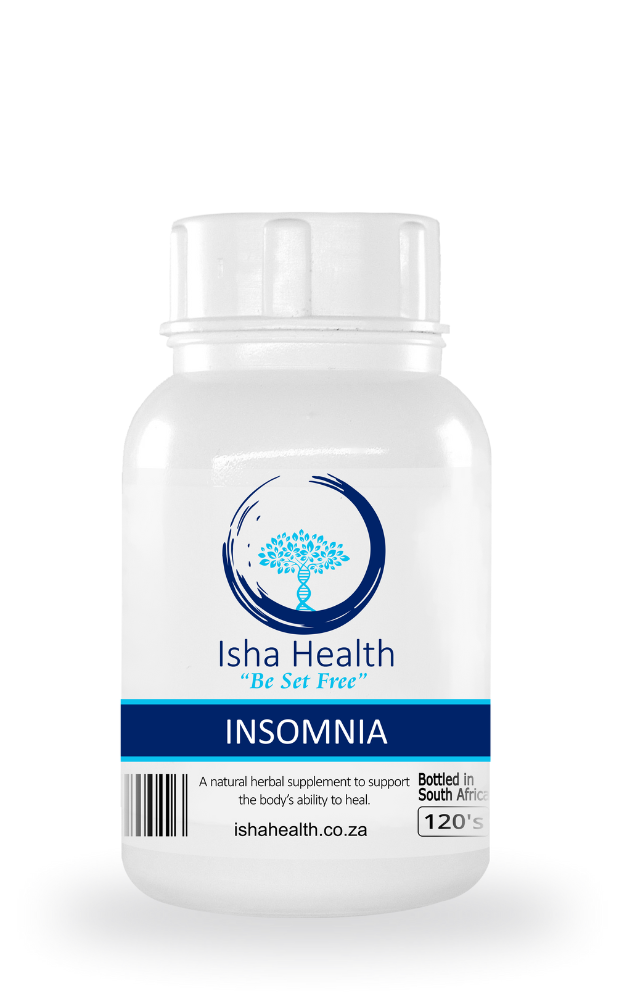
Insomnia
★★★★★ Rated 0.1 out of 5
- 3-5 working days
- Hand-Made
- Manufactured in South Africa
- 100% Natural
- 100% Herbal products
- 100% Manufacturing Guarantee
Description
Directions for Use
Ingredients
Warning
Technical Information
Our Herbal Insomnia Supplement is designed to naturally support relaxation and encourage restful sleep. By combining calming botanicals, this supplement works in harmony with the body’s natural processes to address insomnia without disruption. It provides a gentle and holistic solution for managing sleep disturbances, promoting a tranquil bedtime experience and facilitating rejuvenating sleep.
1-3 x capsules in the evening
20 minutes before meals.
Children over 6-12 years:
1x Capsule in the evening
Children over 12-16 years:
1-2 x Capsules in the evening according to age, before going to sleep.
Catnip
Chamomile
Gentian Root
Hops
Hyssop
Lemon Balm
Motherwort
Oat straw
Sceletium
Passionflower
Skullcap
Valerian
Vervain
Other African Herbs
Ingredients Traditionally used for this supplement:
Basil: Supports a calm state by influencing neural pathways, particularly beneficial for addressing nervous anxiety.
Catnip: Enhances the body’s natural ability to induce a sedative effect, contributing to relief from insomnia, anxiety, and stress.
Chamomile: Potentiates the body’s own anxiolytic and sedative mechanisms, promoting relaxation and addressing insomnia.
Clubmoss: Promotes a natural state of calmness by influencing neurotransmitter balance, particularly effective for addressing fear.
Gentian Root: Supports emotional balance by modulating neurotransmitter function, aiding the body’s natural stress management.
Hops: Enhances the body’s natural ability to induce relaxation by modulating GABA receptors, contributing to stress reduction.
Hyssop: Acts as a natural tranquilizer by influencing neurotransmitter activity, promoting a calm state and supporting anxiety relief.
Lavender: Modulates GABA receptors to support the body’s own anxiolytic and sedative processes, aiding stress and insomnia management.
Lemon Balm: Aids the body’s natural calming mechanisms by inducing a soothing effect, particularly effective for insomnia, anxiety, and stress relief.
Motherwort: Alleviates nervous palpitations by supporting the body’s natural mechanisms, promoting a calm state.
Oat Straw: Promotes relaxation through the body’s natural neurotransmitter modulation, particularly effective for addressing insomnia.
Passionflower: Enhances the body’s natural anxiolytic mechanisms, contributing to sedative effects for insomnia and anxiety relief.
Sceletium: Supports the body’s natural ability to manage anxiety through serotonin reuptake inhibition, promoting a calm state.
Skullcap: Modulates GABA receptors to support the body’s own anxiolytic processes, addressing headaches and muscle aches associated with stress.
Valerian: Enhances the body’s natural sedative mechanisms by modulating GABA receptors, contributing to insomnia, anxiety, and stress relief.
Vervain: Supports the body’s natural calming mechanisms by influencing neurotransmitter balance, particularly effective for stress management.
Not suitable for pregnant women.
Do not use with alcohol or before driving or operating machinery.
Protect from sunlight.
Store below 25°c.
Insomnia is a sleep disorder characterized by difficulty falling asleep, staying asleep, or experiencing non-restorative sleep despite having the opportunity to sleep. It can lead to various symptoms, including fatigue, mood disturbances, difficulty concentrating, and impaired daytime functioning. Insomnia can be a short-term or chronic condition and may be influenced by a variety of factors, including stress, lifestyle, medical conditions, and certain medications.
Chemical Involved:
Several chemicals and neurotransmitters play a role in regulating sleep-wake cycles and influencing insomnia. One key neurotransmitter involved in sleep is gamma-aminobutyric acid (GABA).
- GABA (Gamma-Aminobutyric Acid): GABA is an inhibitory neurotransmitter in the central nervous system. It has calming effects and is involved in reducing neuronal excitability. GABAergic activity helps promote sleep and relaxation. Drugs that enhance GABAergic activity, such as benzodiazepines and certain sleep medications, are sometimes prescribed to address insomnia.
- Melatonin: Melatonin is a hormone produced by the pineal gland in the brain. It plays a crucial role in regulating the sleep-wake cycle, helping signal to the body that it is time to sleep. Melatonin supplements are commonly used to address insomnia and jet lag by helping to reset the body’s internal clock.
- Serotonin: Serotonin, another neurotransmitter, is involved in mood regulation and can also impact sleep. It is a precursor to melatonin, and its levels can influence the sleep-wake cycle. Some medications that affect serotonin levels, such as certain antidepressants, may have an impact on sleep patterns.
- Cortisol: Cortisol is a hormone released by the adrenal glands in response to stress. Elevated levels of cortisol, particularly during the evening when they should naturally decrease, can interfere with the ability to fall asleep. Chronic stress and disruptions in the normal circadian rhythm can contribute to increased cortisol levels, potentially leading to insomnia.
The intricate interplay of these chemicals and hormones in the brain and body contributes to the regulation of sleep. Imbalances or disruptions in these systems can lead to sleep disturbances, including insomnia. Treatment approaches for insomnia may involve addressing underlying causes, making lifestyle changes, and, in some cases, using medications that target neurotransmitters involved in sleep regulation.
Symptoms of Insomnia:
Insomnia is characterized by difficulties in initiating or maintaining sleep, and it can lead to various symptoms that affect both nighttime sleep and daytime functioning. The severity and duration of symptoms can vary. Common symptoms of insomnia include
- Difficulty Falling Asleep (Sleep Onset Insomnia): Individuals with this type of insomnia have trouble initiating sleep, often spending a prolonged time lying in bed before falling asleep.
- Difficulty Staying Asleep (Sleep Maintenance Insomnia): Sleep maintenance insomnia involves waking up during the night and having difficulty returning to sleep. This can result in fragmented and non-restorative sleep.
- Early Morning Awakening: Insomnia may cause individuals to wake up too early in the morning and find it challenging to go back to sleep, even if they have not had sufficient rest.
- Non-Restorative Sleep: Despite spending an adequate amount of time in bed, individuals with insomnia may wake up feeling unrefreshed and tired, leading to daytime fatigue.
- Daytime Sleepiness: Chronic sleep deprivation due to insomnia can result in excessive daytime sleepiness, affecting alertness, concentration, and overall cognitive function.
- Irritability and Mood Disturbances: Insomnia is often associated with irritability, mood swings, and increased susceptibility to stress. Persistent sleep disturbances can contribute to the development or exacerbation of mood disorders.
- Difficulty Concentrating and Impaired Memory: Sleep plays a crucial role in cognitive function, including concentration and memory. Insomnia can lead to difficulties in focusing, remembering details, and performing tasks that require sustained attention.
- Increased Anxiety about Sleep: Individuals with insomnia may develop anxiety and stress related to their sleep difficulties. This anxiety can further exacerbate sleep problems, creating a cycle of sleep disruption.
- Tension Headaches: Some individuals with insomnia may experience tension headaches, possibly related to stress and muscle tension associated with difficulty falling or staying asleep.
- Gastrointestinal Symptoms: Insomnia has been associated with gastrointestinal issues, including indigestion, acid reflux, and other digestive disturbances.
It’s important to note that insomnia is a symptom itself and can be a secondary symptom of other underlying conditions, such as anxiety, depression, or medical issues. If someone is experiencing persistent insomnia or if the symptoms significantly impact their quality of life, it is advisable to consult with a healthcare professional for a proper evaluation and appropriate management.
The role of the Pineal Gland in Insomnia:
The pineal gland, a small, pinecone-shaped gland located in the brain, plays a crucial role in the regulation of the sleep-wake cycle through its production of the hormone melatonin. Melatonin is often referred to as the “sleep hormone” because its release is closely tied to the circadian rhythm, helping signal the body that it is time to sleep. The pineal gland and melatonin production are implicated in the development and management of insomnia in the following ways
Circadian Rhythm Regulation:
- The pineal gland is sensitive to light and darkness. In the absence of light (especially during the evening and night), the pineal gland is stimulated to release melatonin.
- Melatonin production is part of the body’s natural circadian rhythm, promoting feelings of sleepiness and preparing the body for rest.
Melatonin’s Role in Sleep Initiation:
- Melatonin helps facilitate the onset of sleep by promoting relaxation and reducing alertness. It acts on receptors in the brain that are involved in the sleep-wake cycle.
Insomnia and Melatonin Disruption:
- Disruptions in the natural production of melatonin can contribute to insomnia. For example, exposure to artificial light, particularly blue light from electronic devices, in the evening can suppress melatonin release and interfere with the ability to fall asleep.
Use of Melatonin Supplements for Insomnia:
- Melatonin supplements are sometimes used to manage insomnia. These supplements can be particularly helpful for individuals with circadian rhythm disorders, shift work sleep disorder, or jet lag.
- However, the effectiveness of melatonin supplements can vary, and they should be used under the guidance of a healthcare professional.
Age-Related Changes:
- The pineal gland’s function and melatonin production can be influenced by age. Melatonin levels tend to decrease as people age, which may contribute to sleep difficulties, especially in older adults.
It’s important to note that while melatonin and the pineal gland are crucial for the regulation of sleep, insomnia is a multifaceted condition with various contributing factors. Other neurotransmitters and hormones, such as serotonin and cortisol, also play roles in sleep regulation and can impact insomnia. Additionally, psychological factors, lifestyle choices, and underlying medical conditions can contribute to the development and persistence of insomnia.
Preventing Insomnia:
- Maintain a Consistent Sleep Schedule: Go to bed and wake up at the same time every day to regulate your body’s internal clock.
- Establish a Calming Pre-Sleep Routine: Create a routine involving activities like reading, listening to soothing music, or practicing relaxation techniques to signal to your body that it’s time to wind down.
- Create a Comfortable Sleep Environment: Ensure your bedroom is conducive to sleep with a comfortable mattress and pillows. Create a cool, dark, and quiet sleep environment.
- Limit Exposure to Screens Before Bed: Reduce exposure to electronic devices with screens (phones, tablets, computers) at least an hour before bedtime to avoid disrupting melatonin production.
- Be Mindful of Food and Drink: Avoid heavy meals, caffeine, and nicotine close to bedtime, as these substances can interfere with sleep.
- Exercise Regularly: Engage in regular physical activity, but complete your workout a few hours before bedtime to prevent disruptions to sleep.
- Manage Stress and Anxiety: Practice stress-reducing techniques like deep breathing, meditation, or yoga to address factors contributing to insomnia.
- Limit Naps: Keep daytime naps short (20-30 minutes) and avoid napping late in the afternoon.
- Limit Liquid Intake Before Bed: Reduce the consumption of liquids, especially caffeine and alcohol, in the hours leading up to bedtime to minimize disruptions from bathroom trips.
- Evaluate Your Sleep Environment: Ensure your bedroom is comfortable, quiet, and dark. Consider using blackout curtains and earplugs if necessary.
- Seek Professional Help if Needed: If persistent insomnia is a concern, consult with a healthcare professional for a thorough evaluation and personalized guidance.
- Limit Clock-Watching: Avoid continuously checking the clock during the night, as it can create anxiety about sleep. Turn your clock away or place it out of sight.
Remember that individual responses to sleep habits can vary, and it’s essential to find a combination of strategies that work for you. If persistent insomnia is a concern, consult with a healthcare professional for personalized guidance.
Ingredients which are traditionally used for this disorder
Technical info:
Basil: Basil’s linalool content contributes to its anxiolytic effects by modulating neurotransmitter activity. This herb proves helpful in addressing nervous anxiety by influencing neural pathways.
Catnip: Catnip’s active compound, nepetalactone, interacts with GABA receptors in the brain, inducing a sedative effect. GABAergic modulation contributes to the alleviation of insomnia, anxiety, and stress by promoting inhibitory neurotransmission.
Chamomile: Chamomile contains apigenin, which binds to benzodiazepine receptors, potentiating GABAergic neurotransmission. This mechanism induces anxiolysis and sedation, impacting the neural pathways associated with insomnia and anxiety.
Clubmoss: Clubmoss influences neurotransmitter balance, addressing fear and promoting a calm mental state through modulation of neural pathways.
Gentian Root: Gentian Root’s properties support emotional balance by impacting neurotransmitter function. This aids in stress management by modulating neural pathways associated with anxiety.
Hops: Rich in bitter acids and essential oils, hops exert anxiolytic effects by modulating GABA receptors. This modulation enhances inhibitory neurotransmission, leading to relaxation and stress reduction.
Hyssop: Hyssop’s volatile oils and flavonoids act as tranquilizers by influencing neurotransmitter activity. This contributes to its anxiolytic effects, impacting the neural pathways associated with anxiety.
Lavender: Lavender’s linalool and linalyl acetate modulate GABA receptors, inducing anxiolytic and sedative effects. This makes it beneficial for managing insomnia and stress by influencing neural pathways.
Lemon Balm: Lemon Balm’s rosmarinic acid content acts on GABA receptors, inducing a calming effect. This herb is effective in addressing insomnia, anxiety, and stress by modulating neurotransmitter pathways.
Motherwort: Motherwort’s impact on neurotransmitters helps alleviate nervous palpitations and heart palpitations, promoting a calm state by modulating neural pathways.
Oat Straw: Oat Straw’s compounds promote relaxation by modulating neurotransmitter activity, making it effective for insomnia by influencing neural pathways.
Passionflower: Passionflower’s chrysin content interacts with benzodiazepine receptors, enhancing GABAergic activity. This results in sedative effects, providing relief from insomnia and anxiety by modulating neurotransmitter pathways.
Sceletium: Sceletium’s alkaloids, particularly mesembrine, act as serotonin reuptake inhibitors, exerting anxiolytic effects. This contributes to its effectiveness in managing anxiety by modulating neurotransmitter pathways.
Skullcap: Skullcap’s flavonoids and polyphenols modulate GABA receptors, exerting anxiolytic effects. Additionally, its anti-inflammatory properties contribute to addressing headaches and muscle aches associated with stress.
Valerian: Valerian’s valerenic acid modulates GABA receptors, enhancing inhibitory neurotransmission. This sedative effect aids in addressing insomnia, anxiety, and stress by influencing neural pathways.
Vervain: Vervain’s calming properties are attributed to its impact on the nervous system, influencing neurotransmitter balance. This makes it effective in managing stress by modulating neural pathways.
This herbal insomnia supplement integrates these herbs, each with its unique active compounds, to provide comprehensive support for individuals dealing with insomnia, anxiety, and stress through modulation of relevant neural pathways.