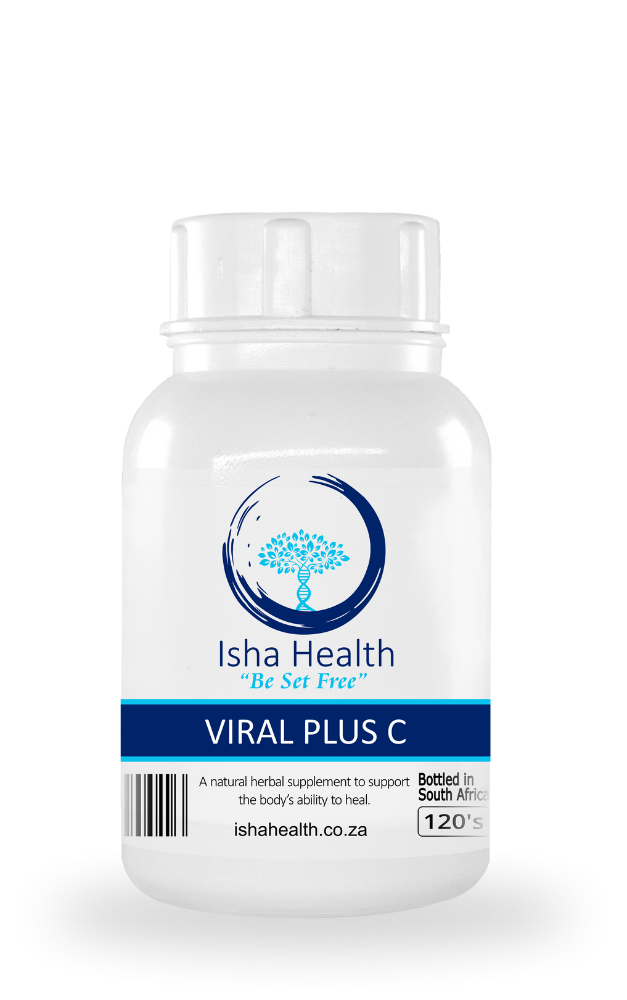
Viral Plus C
★★★★★ Rated 0.1 out of 5
- 3-5 working days
- Hand-Made
- Manufactured in South Africa
- 100% Natural
- 100% Herbal products
- 100% Manufacturing Guarantee
Description
Directions for Use
Ingredients
Warning
Technical Information
This Herbal Viral+C (+Covid) Supplement is designed to support the body’s immune response against various viruses, including Covid, Rotavirus, RNA viruses, TB, and Herpes. Its mechanism includes naturally assisting the body to block ACE2 receptors, potentially impeding viral replication.
This Viral Plus C capsule does not claim a cure or prevention for Corona viruses, SARS viruses or other related viruses. It is intended to build immunity. Information below is based on worldwide research.
2-4 x capsules 3x daily
20 minutes before meals.
Children over 6-12 years:
1x Capsule daily
Children over 12-16 years:
1-2 x Capsule 2x daily according to age.
When patient has Covid:
4x capsules 3-4x daily plus:
2x Immune & 2x Viral capsules plus Moringa, Lungs & Sinus Tincture, Cough & Flu mix
(full covid pack)
Alpha-Lipoic Acid
Artichoke
Astragalus
Cancer Bush
Cat’s Claw
Elderberry
Ginseng Panax & Siberian
Gotu-Kola
Hydrangea Root
Lemon Balm
Liquorice Root
L-Arginine
L-Glutamine
L-Glycine
L-Lysine
Magnesium
N-Acetylcysteine
Selenium
Resveratrol
Skullcap
Sutherlandia
Vit B6, C, D
Wormwood
Zinc
Other African Herbs
Ingredients Traditionally used for this supplement
Alpha Lipoic Acid: Enhances glutathione levels, a key antioxidant naturally produced by the body. Supports the innate antioxidant defenses, aiding the body in combating oxidative stress during viral encounters.
Artichoke: Acts as an ACE2 receptor blocker and promotes endothelial well-being. Supports the body’s natural mechanisms to maintain immune balance.
Astragalus: Supports respiratory health and immune function against challenges like Pulmonary Fibrosis and Coxsackie Virus. Encourages the body’s natural production of Human Growth Hormone (HGH) for holistic well-being.
Cancer Bush: Supports immune resilience against various viruses, such Rotavirus, RNA viruses, TB, Chronic Fatigue Syndrome Virus, Herpes simplex.
Cat’s Claw: Modulates the immune response, inhibiting viruses and promoting balance. Supports the body’s innate ability to regulate immune reactions for viruses such as Herpes, HIV/Aids, Vesicular stomitus, Rhinovirus & Bilharzia, Dengue Viruses and more. T
Elderberry: Deactivates viruses, supporting the body’s innate defense mechanisms against viral intrusion, so that they are unable to pierce the cell wall & replicate.
Ginseng: Reduces flu severity and duration, supporting the body’s resilience during viral challenges. Stimulates the natural production of Human Growth Hormone (HGH), and supports body to act as protease inhibitor for Covid.
Gotu-Kola: Modulates immune responses, supporting immune balance and fortifying against autoimmune reactions. Assists body to naturally dampen TH1 & TH2, while supporting TH3 helper cells. Increases Glutathione.
Hydrangea Root: Prevents excessive inflammatory responses and promotes immune regulation. Supports the body’s innate ability to balance immune responses during viral encounters.
L-Arginine: Stimulates Human Growth Hormone (HGH) production, a natural process that promotes overall vitality. This innate mechanism contributes to cardiovascular health, supporting the body’s resilience.
Lemon Balm: Prevents viral attachment and replication, reducing inflammation and supporting the liver’s natural resilience. A natural aid for the body during viral encounters, well known for defence against Covid-19 virus.
L-Glutamine: Supports the body’s natural defenses, reducing inflammatory responses and lung injury by inhibiting accumulation of lymphocytes and the release of inflammatory cytokines and apoptosis of alveolar cells.
L-Glycine: Inhibits viral access points, supporting the body’s natural defenses. Supports Pituitary health and overall immune resilience.
Liquorice Root: Protects against Pulmonary Fibrosis and viral particles, inhibiting the growth of various viruses. A versatile supporter of the body’s natural defenses by inhibiting growth of several DNA & RNA Viruses & Covid.
L-Lysine: Inhibits viral replication, empowering the body’s natural defense mechanisms. Supports overall immune health.
Macuna Pruriens: Acts as an ACE2 inhibitor, fostering hormonal balance and immune support. Supports the body’s innate ability to maintain balance during viral encounters.
N-Acetylcysteine: Guards against Pulmonary Fibrosis, dampening cytokines, and supporting respiratory health. Supports the body’s natural defenses against viral challenges, by inhibiting replication and production of pro-inflammatory molecules in lung epithelial cells.
Wormwood: Subject to worldwide research for immune support against viruses. A partner in maintaining well-being during infectious diseases.
Not suitable for pregnant or breastfeeding women.
Protect from sunlight.
Store below 25°c.
Why this Herbal Supplement is so effective:
Our Herbal Viral Plus+C (+Covid) supplement is a thoughtfully crafted natural blend aimed at reinforcing the body’s immune response against a spectrum of viruses, with a focus on Covid, Rotavirus, RNA viruses, TB, Herpes, and Pulmonary Fibrosis. By strategically blocking ACE2 receptors, it endeavors to impede the replication of viruses, contributing to overall immune resilience. It’s crucial to note that while the supplement doesn’t claim to cure or prevent specific viral infections, it is rooted in extensive global research and serves as a proactive measure for immune system fortification.
This comprehensive formula goes beyond traditional immune support. It actively elevates glutathione levels, crucial for antioxidant defense and detoxification processes. The modulation of TH1 & TH2 cells, along with support for TH3 helper cells, aims to create a balanced immune response. The inclusion of a protease inhibitor and acting as a TH17 & NF Kappa B-Blocker showcases the supplement’s multifaceted approach. Addressing conditions such as Coxsackie Virus, Endothelial dysfunction, and Chronic Fatigue Syndrome underscores its versatility.
Furthermore, the supplement taps into the body’s inherent abilities, serving as a tonic to promote immune function and support vital processes. As a strategic response to the ongoing research, it aligns with the understanding that a robust immune system is pivotal in countering viral threats. In essence, the supplement acts as a partner in bolstering the body’s resilience, offering immune support while navigating the complexities of viral challenges.
Research on Coronavirus:
Why do men have more servere COVID-19 disease and higher fatality rate than women?
We currently know that men have more severe COVID-19 disease and a higher rate of fatality compared to women, and we also know that children under age 10 seem extremely resistant.
- Before age 10, in normal conditions, neither girls nor boys have increased androgens. The first androgensstart to appear during a period called adrenarche, around age 8, but those androgens produced by the adrenal glands are not very potent. After age 10 comes puberty, and androgens rise, produced by the gonads—increasing hair density in some areas, as well as oily scalp and acne.The peak of androgen production is in adult life, and they drop a little in the elderly. After menopause, women start to overexpress androgens, because of the huge drop of estrogen (female hormone), and there is an increase in facial hair and also a decrease in scalp hair density.
- Taken together, this could help to explain why we are seeing more severe and fatal COVID-19 cases in men, with a lower rate for women and very few for young children.
- Research link two well-known scientific facts. First, that SARS-CoV-2 needs its spikes to be primed by the TMPRSS2 protease. Second, that the TMPRSS2 gene has only one known gene promoter, which is the androgen receptor.The gene requires androgen hormones to bind to the androgen receptor, so the cell can initiate the transcription of TMPRSS2 gene to produce the protease—a cell-surface protein that “eats” other proteins. Without this protease, host cells are not infected with SARS-CoV-2 because the virus spikes cannot bind to ACE2, a receptor implicated in COVID-19 and severe acute respiratory syndrome.The protease “eats” the spikes so they can connect to the ACE2. So, more androgen activity means more proteases, which we think leads to more severe infection.
- Benign prostate enlargement is caused by a very potent androgen hormone, called DHT. This is the most potent natural androgen, and it binds with great affinity to the androgen receptor—making it express proteins like TMPRSS2, which has been studied for decades in prostate health and prostate cancer research and is now known to open the door to novel coronavirus.
- Women also produce DHT and testosterone, though at much lower levels than men. However, due to ovary diseases such as PCOS or ovary adenomas, women can produce very high levels of male hormones.We know PCOS is related to obesity and diabetes, so women with these conditions and post-menopausal women are likely more susceptible to severe infections, following the androgen vulnerability rationale.
- Since we already knew a lot about TMPRSS2 expression, we began to research other mechanisms to explain male vulnerability, including changes in pulmonary surfactant proteins (which protect against influenza) and lung cells due to male hormones.https://www.futurity.org/covid-19-men-severity-hair-loss-2329142/
How the covid virus attaches to ace to receptors:
- Virus Structure: The COVID-19 virus, or SARS-CoV-2, has spike proteins (S-proteins) on its surface. These spike proteins are crucial for the virus’s ability to interact with host cells.
- ACE2 Receptors: ACE2 receptors are proteins found on the surface of certain cells, especially in the respiratory system, lungs, and other organs. These receptors play a significant role in regulating blood pressure and inflammation.
- Attachment Process: The spike proteins on the virus bind specifically to ACE2 receptors on the surface of host cells. This binding is facilitated by the receptor-binding domain (RBD) of the spike protein.
- Conformational Changes: Upon binding, conformational changes occur in the spike protein. These changes are crucial for the virus to enter the host cell.
- Viral Entry: The attachment triggers the entry of the virus into the host cell. The virus may enter the cell through endocytosis, a process in which the cell engulfs the virus in a vesicle.
- Fusion and Release: Subsequently, the viral membrane fuses with the host cell membrane, releasing the viral genetic material (RNA) into the host cell.
- Replication and Spread: The host cell’s machinery is then hijacked to replicate the viral genetic material and produce new virus particles. These new viruses can go on to infect more cells, leading to the spread of the infection.
Understanding this mechanism is crucial for developing targeted therapeutic approaches to interfere with the virus’s ability to enter and infect host cells.
TMPRSS2 Protease connection to Covid:
TMPRSS2 (Transmembrane Protease, Serine 2) is a protein-coding gene that encodes a serine protease. This enzyme is involved in the activation of certain proteins through cleavage, and its expression is detected in various tissues throughout the body. TMPRSS2 is particularly significant in the context of viral infections, including its connection to the severity of COVID-19.
TMPRSS2 in Males and Females:
- Males: TMPRSS2 is expressed in various tissues in males, including the prostate, lung, and other organs. In males, TMPRSS2 plays a role in the activation of proteins associated with normal physiological functions. It is prominently studied in the context of prostate cancer, where TMPRSS2 gene fusions are often observed.
- Females: TMPRSS2 is also expressed in females, but its levels are generally lower than in males. In females, TMPRSS2 may play a role in normal cellular processes, but it is less explored compared to its implications in males.
Connection to Severe COVID-19:
- Androgen Receptor and Hormonal Influence: TMPRSS2 expression is regulated by the androgen receptor, a receptor for male sex hormones, such as testosterone. Studies have shown that TMPRSS2 is upregulated in the presence of androgens, which are more abundant in males. This upregulation of TMPRSS2 in males is believed to be one factor contributing to the increased severity of COVID-19 in men compared to women.
- SARS-CoV-2 Entry Mechanism: SARS-CoV-2, the virus that causes COVID-19, enters human cells by binding to the ACE2 receptor on the cell surface and then undergoing priming or activation by proteases like TMPRSS2. The androgen receptor-driven upregulation of TMPRSS2 in males is thought to facilitate increased viral entry and infection.
- Potential Therapeutic Targets: The androgen-driven regulation of TMPRSS2 suggests that hormonal factors may influence the severity of COVID-19. Targeting TMPRSS2 or modulating androgen levels are being explored as potential therapeutic strategies to mitigate the severity of the disease, especially in males.
Understanding the role of TMPRSS2 in the severity of COVID-19 provides insights into potential gender-based differences in susceptibility and outcomes. The hormonal regulation of TMPRSS2 expression underscores the need for further research to explore targeted interventions and treatment approaches that consider these factors.
What is the difference between normal flu and covid?
While both influenza (flu) and COVID-19 are respiratory illnesses caused by different viruses, there are some key differences between the two. Here are some distinctions:
- Difference Between Flu and COVID-19: Causative Viruses: Flu is caused by influenza viruses (types A and B). COVID-19 is caused by Severe Acute Respiratory Syndrome Coronavirus 2 (SARS-CoV-2).
- Symptoms: Flu symptoms include fever, cough, sore throat, runny or stuffy nose, body aches, headaches, fatigue, and sometimes vomiting and diarrhea. COVID-19 symptoms encompass fever, cough, shortness of breath, fatigue, body aches, headache, sore throat, loss of taste or smell, congestion or runny nose, nausea or vomiting, and diarrhea. Symptoms can vary from mild to severe.
- Incubation Period: The incubation period for the flu is usually shorter, typically 1-4 days after exposure. For COVID-19, it is generally longer, ranging from 2-14 days after exposure.
- Spread and Transmission: The flu primarily spreads through respiratory droplets and by touching surfaces with the virus. COVID-19 is primarily transmitted through respiratory droplets and can also spread by touching contaminated surfaces.
- Testing and Diagnosis: Rapid flu tests are available to diagnose influenza. COVID-19 is diagnosed using PCR and antigen tests.
- Vaccines: Seasonal flu vaccines are available and recommended annually. Vaccines, including mRNA and viral vector vaccines, have been developed for COVID-19 prevention.
- Complications: Flu complications may include pneumonia, bronchitis, sinus infections, and ear infections. Severe COVID-19 complications include acute respiratory distress syndrome (ARDS), blood clotting issues, organ failure, and potential long-term effects.
It’s crucial to recognize that flu and COVID-19 symptoms can overlap, making accurate identification challenging based solely on clinical presentation.
Pulmonary Fibrosis and COVID-19
Pulmonary fibrosis is a lasting lung condition that can occur after recovering from COVID-19. When you have COVID-19, the virus can cause inflammation in your lungs, leading to the development of scar tissue over time. This scarring, known as fibrosis, alters the normal structure of the lungs and can make it harder for them to work properly.
People who had severe cases of COVID-19, especially those who needed intensive care or a ventilator, are more at risk of developing pulmonary fibrosis. The scarring happens because the virus damages lung cells and triggers an exaggerated immune response. The prolonged inflammation during severe COVID-19 also contributes to the formation of scar tissue. As a result, individuals recovering from severe COVID-19 may experience ongoing breathing difficulties and reduced lung function.
To manage pulmonary fibrosis linked to COVID-19, early detection is important. Doctors use tests like imaging studies and lung function tests to identify fibrotic changes. Treatment may involve medications to reduce inflammation and fibrosis, oxygen therapy to support lung function, and rehabilitation programs to improve breathing.
The difference between Flu, a Cold and Covid
Influenza (flu), the common cold, and COVID-19 are all respiratory illnesses caused by different viruses, and they have some key differences.
- Flu (Influenza): Influenza viruses, primarily influenza A and B, cause the flu. Symptoms usually have a sudden onset, including fever, chills, cough, sore throat, runny or stuffy nose, muscle or body aches, fatigue, and sometimes vomiting or diarrhea. Severe complications such as pneumonia can occur, especially in high-risk groups. Seasonal flu vaccines are available to help prevent influenza.
- Common Cold: Several viruses, including rhinoviruses and coronaviruses, can cause the common cold. Symptoms often develop gradually and are typically milder than flu. They may include a runny or stuffy nose, sneezing, sore throat, cough, and mild body aches. The common cold rarely leads to serious health problems, and there is no specific vaccine for it.
- COVID-19: COVID-19 is caused by SARS-CoV-2, a novel coronavirus. Symptoms can appear 2-14 days after exposure and may include fever, cough, shortness of breath, fatigue, body aches, loss of taste or smell, sore throat, and sometimes gastrointestinal symptoms. COVID-19 can lead to severe respiratory issues, pneumonia, acute respiratory distress syndrome (ARDS), and other complications. It can be more severe than the flu and may cause long-term health effects. COVID-19 vaccines are available and recommended, along with preventive measures like wearing masks and practicing good hand hygiene.
It’s important to note that the symptoms of these illnesses can overlap, and testing may be necessary for an accurate diagnosis, especially with the similarities between flu and COVID-19. Consulting healthcare professionals for guidance on testing, treatment, and prevention is advisable.
A covid-19 Cytokine Storm
In a COVID-19 cytokine storm, various T-helper cells and cytokines play crucial roles, contributing to an exaggerated and dysregulated immune response. Here is a list of key T-helper cells and cytokines involved, along with a brief explanation of their roles:
T-Helper Cells:
- TH1 Cells: Cytokines Produced: Interferon-gamma (IFN-γ), Tumour Necrosis Factor-alpha (TNF-α). Role in Cytokine Storm: Excessive activation can lead to intense inflammatory responses, contributing to the cytokine storm.
- TH2 Cells: Cytokines Produced: Interleukin-4 (IL-4), Interleukin-13 (IL-13). Role in Cytokine Storm: Imbalance favouring TH2 over TH1 responses may contribute to immune dysregulation and cytokine storm.
- TH3 Cells: Cytokines Produced: Regulatory T cells involved in immune tolerance. Role in Cytokine Storm: Deficiency in TH3 cell activity may contribute to a loss of immune regulation and exacerbate inflammatory responses.
- TH17 Cells: Cytokines Produced: Interleukin-17 (IL-17). Role in Cytokine Storm: Exaggerated TH17 responses may contribute to the release of pro-inflammatory cytokines, leading to widespread inflammation.
Additional T-Helper Cells:
- TH9 Cells: Cytokines Produced: Interleukin-9 (IL-9). Role in Cytokine Storm: Less studied but may contribute to cytokine storms under certain conditions.
Other Immune Cells:
- Macrophages: Cytokines Produced: Interleukin-6 (IL-6), Tumor Necrosis Factor-alpha (TNF-α). Role in Cytokine Storm: Activation and release of pro-inflammatory cytokines contribute to cytokine storms.
- Natural Killer (NK) Cells: Cytokines Produced: Interferon-gamma (IFN-γ) and others. Role in Cytokine Storm: Dysregulation of NK cell activity has been implicated in cytokine storm-associated diseases.
Key Cytokines:
- Interleukin-6 (IL-6): Role in Cytokine Storm: Elevated IL-6 levels are a hallmark of cytokine storms, contributing to severe inflammation and tissue damage.
- Tumour Necrosis Factor-alpha (TNF-α): Role in Cytokine Storm: Pro-inflammatory cytokine promoting inflammation and tissue damage.
- Interleukin-1 beta (IL-1β): Role in Cytokine Storm: Pro-inflammatory cytokine contributing to the cytokine storm.
- Interleukin-17 (IL-17): Role in Cytokine Storm: Produced by TH17 cells, contributes to inflammatory responses and cytokine storms.
Mechanism: The cytokine storm is triggered by the immune system’s response to the SARS-CoV-2 virus. Immune cells release large amounts of cytokines, resulting in an excessive and uncontrolled immune response.
Elevated levels of pro-inflammatory cytokines contribute to severe respiratory symptoms, widespread inflammation, and organ damage. Targeted therapies aim to modulate specific cytokines and reduce inflammation to improve outcomes in severe COVID-19 cases. Understanding the involvement of these T-helper cells and cytokines is crucial for developing targeted therapies to manage cytokine storms and associated complications in severe infections like COVID-19.
Which other viruses or conditions can cause a cytokine storm?
A cytokine storm refers to a severe and excessive immune system response characterized by the uncontrolled release of pro-inflammatory signaling molecules called cytokines. Cytokines play a crucial role in regulating the immune response and maintaining homeostasis in the body. However, when the immune system becomes dysregulated, it can lead to an overwhelming production of cytokines, resulting in a cytokine storm.
Cytokine storms can be triggered by various factors, including infectious agents such as viruses, bacteria, and fungi, as well as certain diseases and conditions. Some of the key causes include
Viral Infections:
- Influenza (Flu): Severe cases of influenza, especially influenza A, have been associated with cytokine storms. The 1918 influenza pandemic is a historical example where cytokine storms contributed to the high mortality rate.
- Coronaviruses: Certain severe cases of respiratory viruses, such as the SARS-CoV and SARS-CoV-2 (responsible for severe acute respiratory syndrome, or SARS, and COVID-19, respectively), have been linked to cytokine storms.
Bacterial Infections:
- Some bacterial infections, particularly those causing sepsis, can trigger a cytokine storm. Sepsis is a life-threatening condition where the body’s response to infection becomes dysregulated.
Autoimmune Diseases:
- Certain autoimmune disorders, such as rheumatoid arthritis and systemic lupus erythematosus (SLE), can lead to chronic inflammation and an increased risk of cytokine storms.
Immune System Disorders:
- Disorders that affect the immune system, such as hemophagocytic lymphohistiocytosis (HLH), can result in an overactive immune response and cytokine storm.
Therapies and Treatments:
- Some cancer treatments, such as certain types of immunotherapy, can trigger a cytokine release syndrome (CRS), which shares similarities with a cytokine storm.
The cytokine storm is characterized by the release of various pro-inflammatory cytokines, including interleukin-6 (IL-6), tumour necrosis factor-alpha (TNF-α), and interferons. The excessive cytokine release can lead to systemic inflammation, multiple organ failure, and a range of severe symptoms.
Managing cytokine storms often involves addressing the underlying cause, such as treating the infection or managing the autoimmune condition. In some cases, anti-inflammatory medications or immunosuppressive drugs may be used to modulate the immune response and reduce the severity of the cytokine storm.
The process throughout the body when it encounters a virus or a bacteria
When the body encounters a virus or bacteria, a sophisticated and coordinated process unfolds to defend against the invading pathogen. Here’s a comprehensive overview of the immune response:
- Recognition: Immune cells, such as macrophages and dendritic cells, recognize and capture the pathogens. Pathogen-associated molecular patterns (PAMPs) on the surface of the invaders are detected.
- Innate Immune Response: The innate immune system is activated, leading to the release of chemical signals like interferons and cytokines. Phagocytes, such as neutrophils and macrophages, engulf and neutralize pathogens.
- Adaptive Immune Response Initiation: Antigen-presenting cells (APCs) present pathogen fragments (antigens) to T cells, initiating the adaptive immune response.
- B Cell Activation: B cells are activated and differentiate into plasma cells, producing antibodies specific to the pathogen.
- Antibody Binding: Antibodies bind to the surface of the pathogen, neutralizing it or marking it for destruction.
- T Cell Activation: Helper T cells activate cytotoxic T cells, which directly attack infected cells. Regulatory T cells modulate the immune response to prevent excessive inflammation.
- Cellular Immunity: Cytotoxic T cells recognize and eliminate infected cells. Memory T cells are generated for long-term immunity.
- Complement System Activation: The complement system is activated, enhancing the immune response through various mechanisms.
- Inflammation: Inflammatory responses, including increased blood flow and recruitment of immune cells, help contain and eliminate pathogens.
- Fever Response: Elevated body temperature inhibits pathogen replication and enhances immune function.
- Resolution and Tissue Repair: Pathogens are cleared, and damaged tissues undergo repair. Anti-inflammatory signals help resolve the immune response.
- Memory Formation: Memory B and T cells are generated, providing long-term immunity against the specific pathogen.
Throughout this process, communication between immune cells, release of signaling molecules, and the execution of specific immune functions contribute to the body’s defense. The immune response is a dynamic and adaptable system that adapts to various pathogens, ensuring protection and maintaining overall health.
Ingredients which are traditionally used for this disorder
Technical info:
Alpha Lipoic Acid: Alpha Lipoic Acid (ALA) inhibits HIV replication by disrupting viral RNA synthesis. It acts as a powerful antioxidant, elevating glutathione levels and restoring total blood glutathione levels. ALA also modulates the immune response by dampening TH1 and TH2 cells while supporting TH3 helper cells, potentially influencing immune regulation.
L-Arginine: L-Arginine, an essential amino acid, stimulates Human Growth Hormone (HGH) production and serves as a precursor for Nitric Oxide (NO) production, promoting vasodilation. This property reduces apoptosis of alveolar cells, downregulates the expression of inflammatory cytokines, and positively impacts cardiovascular health.
Astragalus: Rich in polysaccharides, saponins, and flavonoids, Astragalus exhibits anti-fibrotic properties in Pulmonary Fibrosis and demonstrates antiviral effects against Coxsackie Virus. Moreover, it promotes the production of Human Growth Hormone (HGH) and supports Pituitary health, contributing to overall immune and endocrine balance.
Artichoke: Artichoke, containing Quercetin and Luteolin, blocks ACE2 receptors, addressing endothelial dysfunction. This herb’s anti-inflammatory properties, observed in Chinese medicine against the SARS virus, suggest its potential role in modulating immune responses to viral infections.
Bilberry: Bilberry, rich in Quercetin and catechins, addresses capillary damage during cytokine storms by blocking ACE receptors. Its antioxidant and vascular health benefits make it a valuable component in supporting the circulatory system during viral infections.
Cancer Bush: The polyphenols in Cancer Bush modulate the immune response by inhibiting Tumour Necrosis Factor (TNF) and suppressing TNF Alpha Synthesis and interleukins. Effective against Rotavirus, RNA viruses, TB, and chronic fatigue, this herb showcases potential broad-spectrum antiviral properties.
Cat’s Claw: With oxindole alkaloids and quinovic acid glycosides, Cat’s Claw exhibits antiviral effects against HIV/AIDS, Vesicular Stomatitis Virus (VSV), Rhinovirus, and Dengue virus. Its ability to inhibit Tumour Necrosis Factor (TNF) and suppress TNF Alpha Synthesis and interleukins adds to its immunomodulatory potential.
Citrus Bioflavonoids: Comprising Hesperidin, Quercetin, and Rutin, Citrus Bioflavonoids act as ACE inhibitory compounds, reducing damage to epithelial cells. These compounds contribute to antioxidant and anti-inflammatory properties, potentially aiding in protecting respiratory epithelial cells during viral infections.
Eyebright: Eyebright, rich in flavonoids and iridoid glycosides, addresses inflammation of mucous membranes caused by viruses or colds. The presence of Quercetin enhances its anti-inflammatory effects, potentially providing relief from viral-induced respiratory symptoms.
Lemon Balm: Lemon Balm, abundant in rosmarinic acid and polyphenols, prevents the attachment and replication of HSV1 & HSV2. Effective against Herpes Simplex, Flu, Hepatitis A, C, B, it reduces activity of white blood cells and inflammation cytokines in the liver. Luteolin in Lemon Balm, used traditionally in Chinese medicine against the SARS virus, adds to its antiviral properties.
Elderberry: Featuring anthocyanins and flavonoids, Elderberry deactivates viruses by inhibiting enzymes on viral spikes, preventing cell wall penetration. Its Quercetin content and traditional use against SARS underscore its potential effectiveness against various viruses.
Ginseng: Enriched with ginsenosides, Ginseng functions as a protease inhibitor, reducing flu severity and duration. Addressing Pulmonary Fibrosis and stimulating HGH production, Ginseng plays a role in immune modulation and hormonal balance.
Glutamine: As a stimulator of HGH production, Glutamine reduces inflammatory cytokines and lung injury by inhibiting lymphocyte accumulation and release of inflammatory cytokines. Its role in supporting immune function and lung health is crucial, especially during respiratory infections.
Gotu-Kola: Featuring triterpenoids and asiaticoside, Gotu-Kola dampens TH1 and TH2 cells, supporting TH3 to prevent autoimmune inflammatory responses. Effective against the Herpes virus and Swine flu, it increases HGH and Glutathione production, contributing to immune support and tissue repair.
Hydrangea Root: Rich in hydrangin, Hydrangea Root acts as a TH17 and NF kappa B blocker, preventing excessive inflammatory responses leading to autoimmune reactions and cytokine storms. It plays a vital role in immune regulation and inflammation reduction, particularly in preventing hyperactive immune responses.
L-Lysine: This essential amino acid impairs coronavirus replication, increases HGH production, and supports Pituitary health. Its antiviral activity and role in hormonal balance make it a valuable addition to immune support.
L-Glycine: Functioning similarly to L-Lysine, L-Glycine impairs coronavirus replication, increases HGH production, and supports Pituitary health. Its notable effect in reducing TMPRSS2 protease, a key enzyme involved in SARS-CoV-2 spike priming, highlights its potential in inhibiting viral entry.
Liquorice Root: With glycyrrhizin and flavonoids, Liquorice Root addresses Pulmonary Fibrosis, inactivates herpes simplex particles, inhibits growth of DNA and RNA viruses, and promotes HGH production. Its antiviral and immune-modulating properties, especially in respiratory health, make it a versatile herb in viral infections.
Macuna Pruriens: Enriched with L-DOPA, Macuna Pruriens functions as an Angiotensin-converting enzyme (ACE2) inhibitor. It promotes HGH production and Pituitary health, addressing hormonal imbalances and contributing to immune regulation. Its adaptogenic properties may further support the body’s response to stress during viral infections.
Milkthistle: With silymarin as its active component, Milkthistle promotes glutathione production and dampens TH1 and TH2 cells, supporting TH3. Its antioxidant properties, particularly for liver health, make it a valuable herb during viral infections.
Moringa: Boasting quercetin, coumarin acid, and kaempferol, Moringa contains a high level of Protease inhibitor (92%). It exhibits effectiveness against fever and inhibits corona, as per Chinese medicine research. Its antiviral and immune-modulating properties, coupled with its nutritional richness, make it a comprehensive support during infections.
N-Acetylcysteine: Addressing Pulmonary Fibrosis, N-Acetylcysteine dampens and neutralizes TH1 and TH2 cytokines, supporting TH3. It inhibits replication and production of pro-inflammatory molecules in lung epithelial cells, contributing to immune and respiratory health.
Olive Leaf: Effective against Epstein-Barr virus, Olive Leaf destroys invading organisms and stops virus replication. Its action extends to retroviruses, pneumonia, malaria, and fever, showcasing broad-spectrum antiviral properties. The presence of Oleuropein in Olive Leaf adds to its antiviral and immunomodulatory effects.
Monascus purpurens: With Monacolin K as its active component, Monascus purpurens addresses cardiovascular disease. Monacolin K, chemically identical to the active ingredient in the cholesterol-lowering drug lovastatin, showcases potential lipid-lowering effects. Its impact on cholesterol levels may contribute to cardiovascular health.
Resveratrol: As a TH17 and NF Kappa B blocker, Resveratrol balances TH1 and TH2 in autoimmune disease. Its modulation of CD4 T cells, cytokines, and antibodies supports immune regulation, particularly in autoimmune conditions. Resveratrol’s antioxidant and anti-inflammatory properties make it a valuable compound in managing immune-re