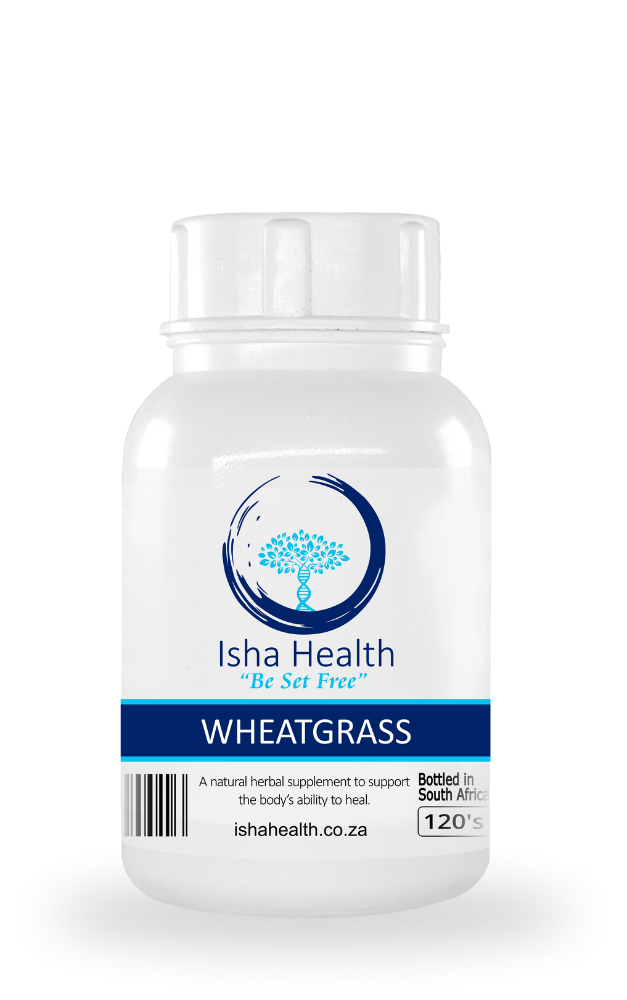
Wheatgrass
★★★★★ Rated 0.1 out of 5
- 3-5 working days
- Hand-Made
- Manufactured in South Africa
- 100% Natural
- 100% Herbal products
- 100% Manufacturing Guarantee
Description
Directions for Use
Ingredients
Warning
Technical Information
Our Herbal Wheatgrass Supplement is a nutrient-rich powerhouse supporting detoxification, digestion, immune function, and overall well-being. Packed with chlorophyll, vitamins (A, C, E), minerals, and antioxidants, it promotes holistic health, making it an ideal addition to your daily wellness routine.
1-3 x capsules 3x daily
20 minutes before meals.
Children over 6-12 years:
1x Capsule daily
Children over 12-16 years:
1x Capsule 2x daily according to age.
Wheatgrass
Wheatgrass contains:
Vitamins
- Vitamin A (as beta-carotene)
- Vitamin C
- Vitamin E
- Vitamin K
- B Vitamins (B1, B2, B3, B5, B6, B9, B12)
Minerals:
- Iron
- Calcium
- Magnesium
- Phosphorus
- Potassium
- Zinc
- Copper
- Manganese
Selenium
Ingredients Traditionally used for this supplement:
Enzymes: Enhancing Digestive Processes: Wheatgrass is rich in enzymes that may enhance digestion. These enzymes are believed to assist in breaking down food, potentially improving nutrient absorption in the digestive tract.
Vitamins and Minerals: Providing Essential Nutrients: Wheatgrass is a nutrient-dense source of essential vitamins (A, C, E) and minerals (iron, magnesium, calcium). These nutrients play crucial roles in supporting various bodily functions, contributing to overall well-being.
Nutrient Density: Supporting Metabolism: Wheatgrass’s nutrient density is thought to support metabolic processes. Consumption may induce a sense of satiety, potentially influencing food choices and aiding in weight management.
Beta-Carotene: Promoting Eye and Immune Health: Wheatgrass contains beta-carotene, a precursor to vitamin A. This nutrient is believed to contribute to maintaining healthy vision and supporting the immune system.
Amino Acids: Essential Building Blocks: Wheatgrass provides essential amino acids, fundamental for muscle maintenance, tissue repair, and various bodily functions. These building blocks contribute to overall health.
Bioflavonoids: Natural Antioxidant Properties: Wheatgrass is a source of bioflavonoids, believed to have antioxidant properties. These compounds may help counteract oxidative stress in the body, contributing to cellular health.
Fiber: Promoting Digestive Regularity: Wheatgrass contains dietary fiber, which is thought to promote digestive health. The fiber may support regular bowel movements and create a favourable environment for gut health.
Antioxidants: Contributing to Cellular Protection: Wheatgrass offers a variety of antioxidants, which are believed to contribute to cellular health by neutralizing free radicals. These antioxidants may play a role in protecting cells from oxidative damage.
Here is a general overview amino acids often found in wheatgrass
Amino Acids: Wheatgrass contains all essential amino acids, including but not limited to:
- Alanine
- Arginine
- Aspartic acid
- Glutamic acid
- Glycine
- Histidine
- Isoleucine
- Leucine
- Lysine
- Methionine
- Phenylalanine
- Proline
- Serine
- Threonine
- Tyrosine
- Valine
Not suitable for pregnant or breastfeeding women
Protect from sunlight.
Store below 25°c.
When first start taking wheatgrass, begin with a small dose and gradually increase intake to meet the recommended dose. This will help your body adjust to digesting wheatgrass.
Nutritional value of Wheatgrass:
While the exact nutrient composition of wheatgrass can vary, especially depending on factors like growing conditions and processing methods, here is a general overview of the key vitamins, minerals, and amino acids often found in wheatgrass.
Vitamins
- Vitamin A (as beta-carotene)
- Vitamin C
- Vitamin E
- Vitamin K
- B Vitamins (B1, B2, B3, B5, B6, B9, B12)
Minerals:
- Iron
- Calcium
- Magnesium
- Phosphorus
- Potassium
- Zinc
- Copper
- Manganese
- Selenium
Amino Acids: Wheatgrass contains all essential amino acids, including but not limited to:
- Alanine
- Arginine
- Aspartic acid
- Glutamic acid
- Glycine
- Histidine
- Isoleucine
- Leucine
- Lysine
- Methionine
- Phenylalanine
- Proline
- Serine
- Threonine
- Tyrosine
- Valine
Keep in mind that the nutrient content can be influenced by factors such as plant maturity, soil quality, and cultivation methods. Additionally, specific amounts of these nutrients can vary between fresh wheatgrass, wheatgrass juice, and wheatgrass powder. It’s always a good idea to check product labels for detailed nutritional information.
Should wheatgrass be taken on empty stomach or with food?
The ideal time to take wheatgrass can depend on individual preferences and sensitivities. However, many people find that taking wheatgrass on an empty stomach allows for better absorption of nutrients. Here are a few considerations
- Empty Stomach
Taking wheatgrass on an empty stomach, typically in the morning before breakfast, is a common practice. This allows the nutrients to be absorbed more quickly without interference from other foods.
- With Food
If you find wheatgrass to be harsh on your stomach when consumed alone, you can take it with a small amount of food. This may help mitigate any potential stomach discomfort.
- Juicing
If you consume wheatgrass as a juice, some people prefer to have it on an empty stomach for better absorption. However, blending it into a smoothie with other ingredients is another option.
- Personal Tolerance
Individual tolerance varies, so it’s essential to pay attention to how your body responds. If you experience any digestive discomfort, consider adjusting the timing or taking it with a small amount of food.
Remember that personal preferences and sensitivities play a significant role. If you have concerns or specific health conditions, it’s advisable to consult with a healthcare professional for personalized advice. Additionally, following the recommended dosage on the product label is important to ensure a safe and beneficial intake of wheatgrass.
Benefits of Wheatgrass:
Wheatgrass is often touted for its potential health benefits, although it’s important to note that individual responses can vary. Here are some commonly mentioned benefits of consuming wheatgrass:
- Rich in Nutrients: Wheatgrass is a potent source of essential vitamins, minerals, and antioxidants, providing a concentrated nutritional boost.
- Detoxification: Chlorophyll in wheatgrass is believed to aid in detoxification processes, supporting the removal of toxins from the body.
- Digestive Health: Enzymes in wheatgrass may assist in digestion, promoting a healthy digestive system and nutrient absorption.
- Boosts Immunity: The array of vitamins, minerals, and antioxidants in wheatgrass is thought to support immune function, helping the body defend against infections.
- Energy and Metabolism: Nutrient density in wheatgrass is suggested to support energy levels and metabolism, potentially aiding in weight management.
- Anti-Inflammatory Properties: Some studies suggest that wheatgrass may have anti-inflammatory effects, potentially beneficial for conditions related to inflammation.
- Blood Health: Wheatgrass is believed to contribute to healthy blood by potentially improving hemoglobin levels and supporting oxygen transport.
- Skin Health: Antioxidants in wheatgrass may contribute to skin health, potentially reducing oxidative stress and supporting a youthful complexion.
- Alkalizing Properties: Wheatgrass is considered alkaline-forming, and proponents suggest that maintaining an alkaline balance in the body may have health benefits.
- Amino Acids: Wheatgrass contains essential amino acids, serving as building blocks for proteins and supporting various bodily functions.
- Blood Sugar Regulation: Some research suggests that wheatgrass may help regulate blood sugar levels, offering potential benefits for individuals with diabetes.
- Joint Health: Anti-inflammatory properties in wheatgrass may contribute to joint health, potentially alleviating symptoms of arthritis.
- Brain Health: Wheatgrass has been studied for its potential neuroprotective effects, suggesting benefits for cognitive function and potentially reducing anxiety.
- Heart Health: The potential reduction in cholesterol levels and anti-inflammatory effects of wheatgrass may contribute to cardiovascular health.
- Anticancer Properties: Some studies suggest that wheatgrass may have anticancer properties, although more research is needed in this area.
It’s important to note that while these benefits are commonly associated with wheatgrass, scientific research is ongoing, and individual responses can vary. As with any supplement or dietary change, it’s advisable to consult with a healthcare professional, especially if you have existing health conditions or are pregnant.
The path of wheatgrass throughout the body:
When wheatgrass is ingested, its journey through the body involves various physiological processes, and its potential health effects are multifaceted. Here’s a general description of the path of ingesting wheatgrass and its potential medical effects
- Ingestion: Once ingested, wheatgrass, derived from the Triticum aestivum plant, is typically consumed in various forms, such as a freshly extracted juice, dehydrated powder, or encapsulated supplement. This oral ingestion facilitates the entry of wheatgrass-derived nutrients into the digestive system.
- Digestive Process: Wheatgrass undergoes enzymatic breakdown in the digestive system, facilitated by enzymes present in the plant. This process aids in the cleavage of complex macromolecules, releasing essential nutrients, including vitamins (A, C, E, B-complex), minerals (iron, calcium, magnesium), amino acids, and various bioactive compounds.
- Nutrient Absorption: Following enzymatic digestion, the small intestine becomes a primary site for nutrient absorption. Wheatgrass-derived nutrients, now in simpler forms, are absorbed across the intestinal epithelium into the bloodstream. Notable components include chlorophyll, amino acids, and essential vitamins and minerals.
- Circulation: Absorbed nutrients, carried by the bloodstream, are distributed throughout the body. Iron from wheatgrass may contribute to hemoglobin synthesis, enhancing oxygen transport, while chlorophyll may exhibit potential cardiovascular benefits.
- Detoxification: The chlorophyll content in wheatgrass is thought to contribute to hepatic detoxification processes. It may assist the liver in metabolizing and eliminating xenobiotics, potentially enhancing the body’s overall detoxification mechanisms.
- Immune System Modulation: Wheatgrass-derived nutrients, including vitamins and minerals, may modulate immune responses. This modulation could involve the enhancement of immune cell function and the production of signaling molecules, contributing to the body’s defense against pathogens.
- Anti-Inflammatory Effects: Bioactive compounds in wheatgrass, such as flavonoids and polyphenols, may exert anti-inflammatory effects. These mechanisms could involve the modulation of inflammatory signaling pathways, potentially offering relief in conditions characterized by inflammation.
- Antioxidant Protection: Antioxidants present in wheatgrass, notably vitamins C and E, function as free radical scavengers. This antioxidant activity may protect cells from oxidative stress, preventing cellular damage and supporting overall cellular health.
- Metabolism and Energy Support: B vitamins in wheatgrass, such as B6 and B12, play crucial roles in cellular metabolism. Their presence may contribute to energy production processes, potentially influencing metabolic pathways and supporting overall energy levels.
- Brain and Nervous System Support: Preliminary studies suggest that wheatgrass may have neuroprotective effects. These effects could involve the modulation of oxidative stress and inflammation, potentially benefiting cognitive function and providing support to the nervous system.
- Cardiovascular Health: Wheatgrass may impact cardiovascular health through potential cholesterol-lowering effects and anti-inflammatory actions. These mechanisms could contribute to a reduced risk of cardiovascular diseases, although further research is needed for conclusive evidence.
It’s imperative to note that while wheatgrass shows promise in various health aspects, rigorous scientific investigation is ongoing, and individual responses may vary.
Ingredients which are traditionally used for this disorder
Technical info:
- Derived from Triticum aestivum, wheatgrass is a nutrient-rich food with a remarkable array of active ingredients that contribute to its health benefits.
Chlorophyll: Detoxification: Chlorophyll, the green pigment in wheatgrass, plays a vital role in detoxification. It enhances the body’s ability to eliminate toxins, particularly by supporting liver function and promoting the expulsion of harmful substances through the gastrointestinal tract. The molecular structure of chlorophyll closely resembles that of hemoglobin, contributing to its capacity to transport oxygen and aid in cellular regeneration.
Enzymes: Digestive Support: Wheatgrass boasts a rich enzymatic profile, including protease, amylase, and lipase, which collectively contribute to digestive support. These enzymes assist in the breakdown of proteins, carbohydrates, and fats, enhancing nutrient absorption in the digestive tract. This enzymatic activity may alleviate digestive discomfort and promote gastrointestinal health.
Vitamins and Minerals: Vitamins (A, C, E): Wheatgrass is a powerhouse of vitamins, including A (beta-carotene), C, and E. These vitamins are essential for immune function, skin health, and antioxidant protection against oxidative stress. Minerals (Iron, Magnesium, Calcium): Essential minerals such as iron, magnesium, and calcium are crucial for various physiological functions, including oxygen transport, muscle contraction, and bone health.
Nutrient Density: Metabolism and Weight Management: Wheatgrass’s nutrient density contributes to metabolic support, facilitating weight management. The combination of vitamins, minerals, and phytonutrients induces a satiating effect, potentially reducing cravings for high-sugar or high-fat foods. Additionally, the fiber content supports digestive health.
Beta-Carotene: Eye Health and Immune Function: Wheatgrass contains significant amounts of beta-carotene, a precursor to vitamin A. This nutrient is vital for eye health, immune function, and overall cellular integrity. The conversion of beta-carotene into active vitamin A supports immune responses and vision.
Amino Acids: Building Blocks of Proteins: Wheatgrass provides essential amino acids, serving as the building blocks of proteins. These amino acids are crucial for muscle function, tissue repair, and various biochemical processes within the body. The presence of these amino acids underscores wheatgrass’s value as a source of complete protein.
Bioflavonoids: Antioxidant Properties: Wheatgrass is rich in bioflavonoids, including quercetin and kaempferol, which exhibit potent antioxidant properties. These compounds protect cells from oxidative stress caused by free radicals, contributing to overall cellular health and mitigating inflammation.
Fiber: Digestive Health: Wheatgrass contributes to digestive health through its fiber content. Dietary fiber supports regular bowel movements, alleviating constipation, and promoting a healthy gastrointestinal environment. This, in turn, may reduce the risk of certain digestive issues.
Antioxidants: Cellular Health: In addition to chlorophyll and bioflavonoids, wheatgrass contains a diverse array of antioxidants, including vitamin C and E. These antioxidants neutralize free radicals, preventing cellular damage and supporting overall cellular health. The comprehensive antioxidant profile may contribute to a reduced risk of chronic diseases and aging-related processes.
This detailed exploration of wheatgrass’s medical and botanical attributes highlights its multifaceted contributions to health and wellness, emphasizing its potential therapeutic benefits and nutritional significance.